How Does Wireless Charging Work? Uncovering the Technology Behind Charging Without a Plug
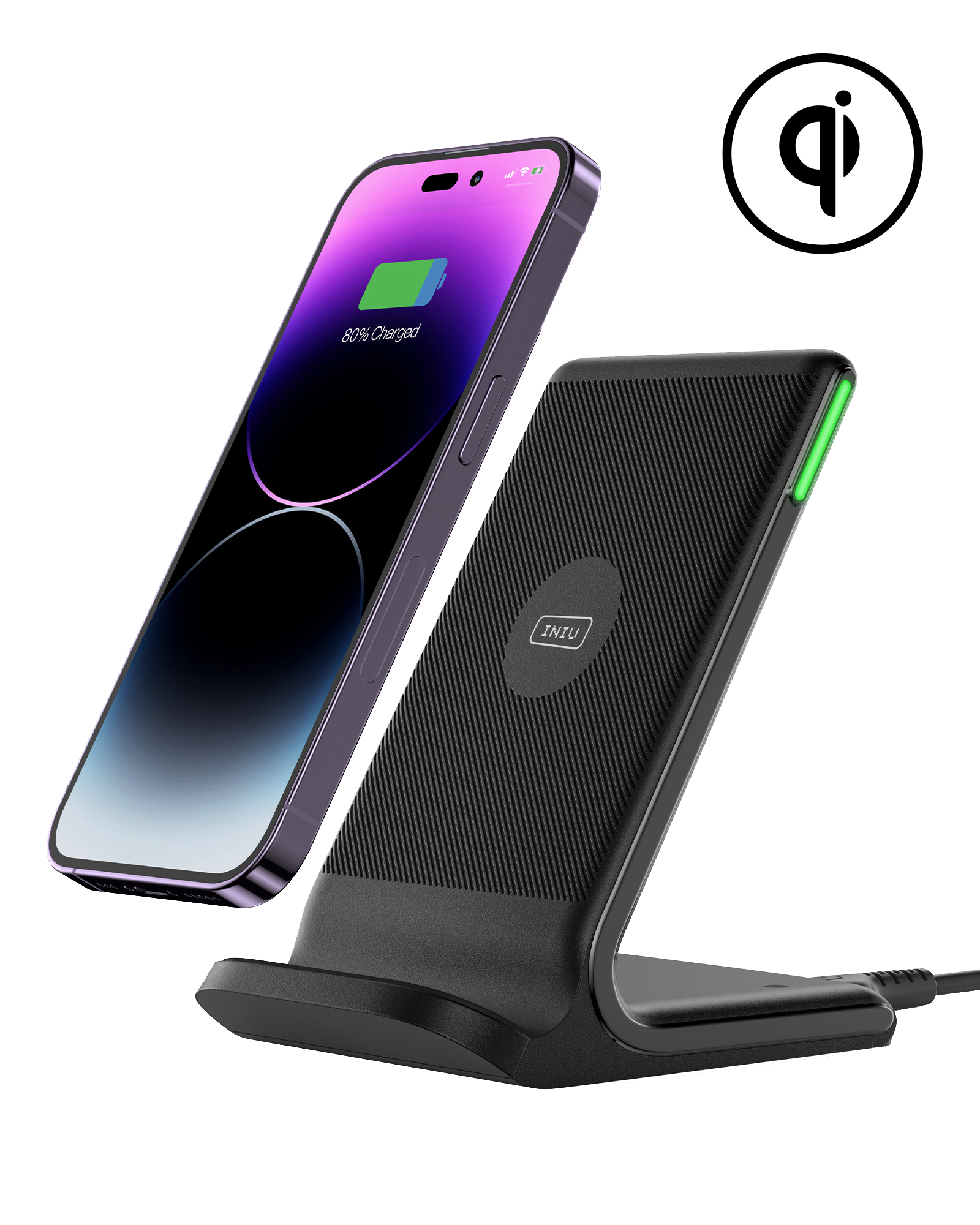
Wireless charging operates on a principle known as electromagnetic induction. This process involves two coils: a transmitter coil located in the charging pad and a receiver coil within the device being charged. When the charging pad is connected to a power source, alternating current flows through the transmitter coil, creating a magnetic field. This magnetic field then induces an electric current in the receiver coil of the device, thus charging its battery without the need for a physical connection.
This method of charging has gained popularity for its convenience and ease of use. Wireless charging eliminates the hassle of tangled cables and offers a seamless way to power up devices. The technology is standard in various gadgets, from smartphones to electric vehicles. However, for optimal performance, it's essential to align the device properly with the charging pad, as misalignment can hinder the charging process and reduce efficiency.
If you're looking for convenience and style, check out the Top 10 Slim Wireless Charging Pads available on the market. These chargers not only offer quick and efficient power for your devices but also complement your workspace with their sleek designs. Choose from various options to find the perfect fit for your lifestyle.
The Evolution of Wireless Charging: From Concept to Reality
The journey of wireless charging began in the late 19th century when Nikola Tesla pioneered the concept of transmitting electricity without wires. His groundbreaking experiments laid the groundwork for what would become a transformative technology. However, it wasn't until the 21st century that wireless charging began to move from concept to reality. The introduction of Qi technology in 2008 marked a significant milestone, enabling the first practical implementations of wireless charging for consumer electronics. As smartphones, smartwatches, and other devices adopted this technology, the demand for a seamless charging experience gained momentum, driving further innovation in the field.
Today, wireless charging is not just a convenience; it's an integral part of our tech ecosystem. Manufacturers have embraced the standardization of Qi charging pads, allowing consumers to power up their devices effortlessly. Furthermore, advancements like resonant inductive coupling and magnetic resonance technology have expanded the range and efficiency of wireless charging solutions. As we look to the future, the integration of wireless charging into furniture and public spaces indicates that this technology is set to become even more ubiquitous, shaping the way we interact with our devices in our daily lives.
Is Wireless Charging Safe and Efficient? Answers to Your Burning Questions
Wireless charging has become increasingly popular, but many users still wonder, Is it safe? The technology uses electromagnetic fields to transfer energy between two objects, typically a charging pad and a compatible device. According to research, wireless charging is generally considered safe for everyday use. The charging pads are designed with safety features such as temperature control and foreign object detection, which helps prevent overheating or potential hazards. However, it’s essential to use certified devices and chargers to ensure compliance with safety standards.
When it comes to efficiency, wireless charging does lag slightly behind traditional wired chargers. While most modern wireless chargers offer respectable charging speeds, they often take longer to fully charge a device. This is mainly due to energy loss during the transmission process. For users prioritizing speed and efficiency, wired charging remains the superior choice. Nonetheless, the convenience of simply placing a device on a charging pad without fumbling with cables can outweigh this drawback for many. Ultimately, the choice between wired and wireless charging depends on individual priorities and usage patterns.