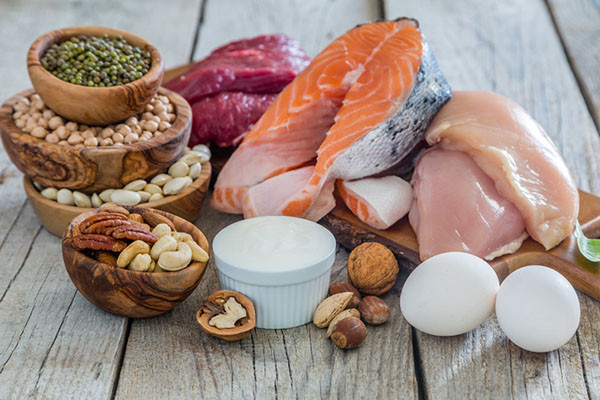
5 Easy Ways to Create a Protein-Packed Plate
Creating a protein-packed plate doesn't have to be complicated. Here are 5 easy ways to enhance your meals with protein-rich ingredients:
- Incorporate legumes: Beans, lentils, and chickpeas are not only high in protein but also packed with fiber. Add them to salads, soups, or as a side dish.
- Choose lean meats: Opt for chicken breast, turkey, or lean cuts of beef and pork. Grilling or baking these meats keeps them healthy while still being delicious.
- Include dairy products: Yogurt, cottage cheese, and low-fat cheese are excellent sources of protein. Use Greek yogurt as a base for smoothies or enjoy cottage cheese with fruits for a nutritious snack.
- Embrace eggs: Eggs are versatile and nutrient-dense, making them a great addition to any meal. Try them scrambled, poached, or hard-boiled for a protein boost.
- Utilize nuts and seeds: Almonds, chia seeds, and pumpkin seeds are not only great for adding crunch but also provide a significant amount of protein. Sprinkle them on salads or blend them into smoothies.
With these simple strategies, you can quickly create a protein-packed plate that supports your dietary needs. Remember, balance is essential; pair your protein choices with plenty of colorful vegetables and whole grains to ensure a well-rounded meal. Start experimenting today to discover how easy it is to incorporate more protein into your daily diet, leading to enhanced energy levels and improved satiety!
The Science Behind Protein and Satiety: Why It Matters
Protein plays a crucial role in promoting satiety, which is the feeling of fullness after eating. Research suggests that protein-rich foods stimulate the release of hormones such as GLP-1 and PYY, which signal the brain to reduce hunger. Furthermore, compared to fats and carbohydrates, protein has a higher thermic effect, meaning the body expends more energy digesting it. This makes high-protein diets particularly effective for weight management and can help prevent overeating by keeping hunger at bay.
Understanding the science behind protein and satiety is essential for anyone looking to optimize their diet. Including adequate protein sources in meals, such as lean meats, dairy, legumes, and nuts, can enhance the feeling of fullness. A well-balanced diet that emphasizes protein not only helps in weight control but also supports muscle preservation and overall health. Therefore, prioritizing protein-rich foods can lead to a more satisfying and nourishing eating experience.
Is Your Meal Protein-Packed? Here’s How to Tell!
When considering if your meal is protein-packed, it's essential to assess the types of foods on your plate. A good rule of thumb is to include a serving of lean meat, fish, or poultry, as these are all excellent sources of protein. Additionally, plant-based options like beans, lentils, and quinoa can significantly boost your protein intake. Here’s a quick checklist to help you determine if your meal is meeting your protein needs:
- Does your meal include a source of animal protein (e.g., chicken, beef, fish)?
- Have you added legumes or nuts to your meal?
- Are you incorporating dairy products like yogurt or cheese?
Another factor to consider is the recommended daily intake of protein, which varies based on age, sex, and activity level. For most adults, aiming for approximately 0.8 grams of protein per kilogram of body weight is advisable. To help ensure your meals are sufficiently protein-packed, keep a food journal or use apps to track your macronutrient intake. Incorporating a variety of protein sources will not only help you meet your dietary goals but also keep your meals interesting and flavorful.